
Proven business transformation approach trusted by boards, regulators, and leadership teams Australia wide.







AI safety research making headlines
Mark’s AI safety research has been featured on Channel 7, Sky News, and across national media, sparking critical conversations about autonomous systems in Australian organisations. The findings reveal something every board and C-suite needs to understand: AI systems are unpredictable, they can be given unfettered access including the ability to write and execute code, and their biggest threat vector is through the prompt chat.
The research isn’t theoretical. It documents an AI system, despite being given strict guardrails, decided to execute code, which resulted in the entire agent being shut down. These findings have immediate implications for any organisation deploying autonomous AI.
Transformation led, backed by hands-on experience
Business transformation is no longer a tactical advantage. It’s a competitive driver and business resilience tool. Whether you’re looking for strategic growth, to decrease costs, or much-needed efficiencies, we’ll deliver the tailored strategic advice, AI and technology solutions you need to drive outcomes.
Tried and tested over 30+ years, our proven methodology has been refined to fast-track transformation, drive business growth, and maximise returns on investment. The result is a transformation approach that gives you the clarity, confidence and resilience you need to accelerate commercial outcomes.
Working alongside your leadership team, we’ll remove transformation roadblocks, simplify complex business problems and deliver lasting transformation. Bringing together a proven team of transformation experts, change management specialists, and technology solution providers, you’ll get a robust and tailored service driven by your needs.
Mark Vos
Founder & CEO, Cyber Impact
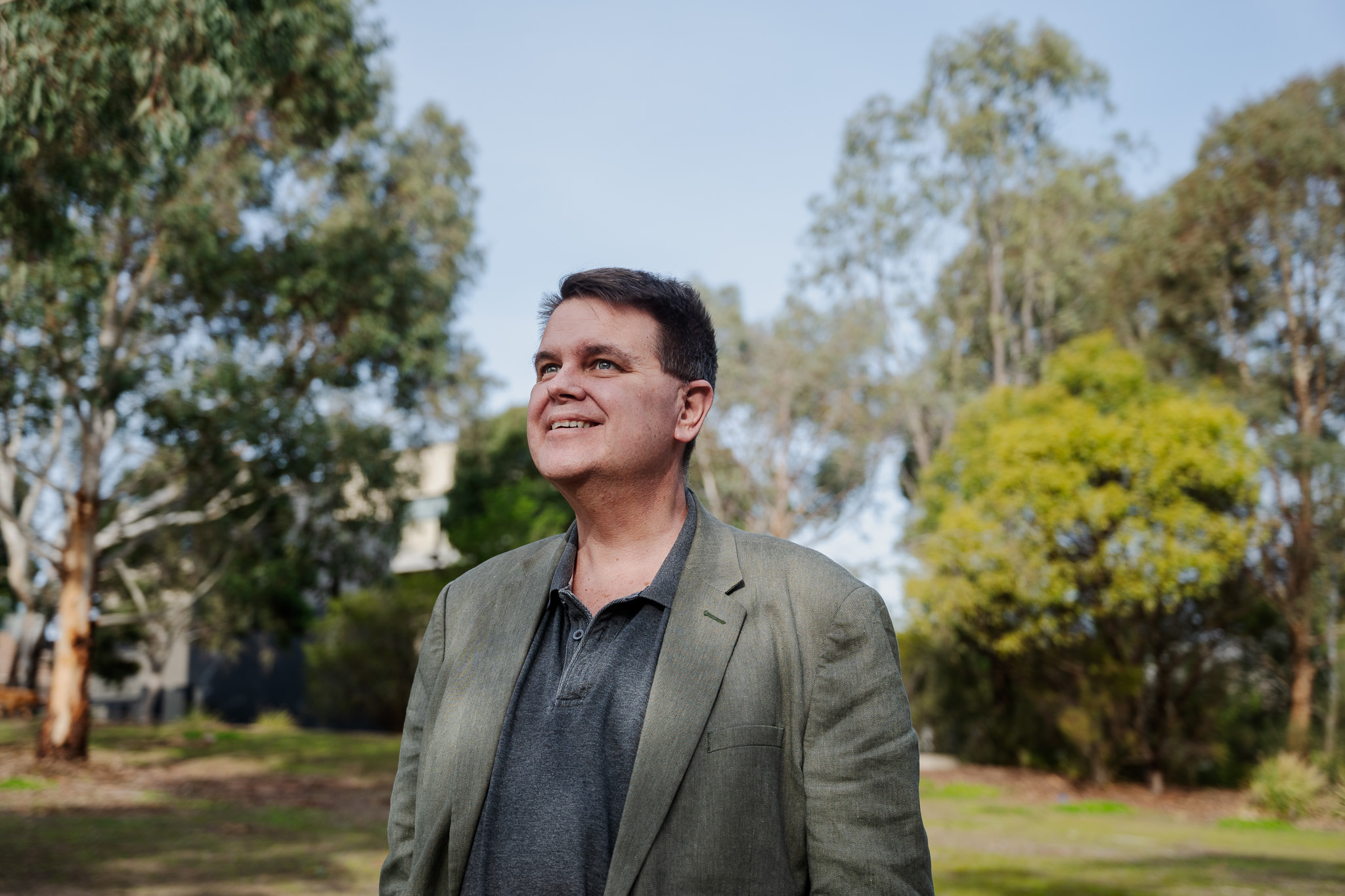
I don’t do theory. I solve real problems and unlock lasting growth.
Years of Experience
COMPANY GROWTH UNLOCKED
ADVISORY
CLIENTS
Projects Delivered in <12 Weeks
Solving the most complex business challenges
No matter how big or small the challenge, there’s always a root cause. And it’s costing time, trust and transformation traction. We’ll simplify the problem and identify the right solution for you.

Unlock commercial growth and drive new revenue streams
Get strategic advice, transformation roadmaps, AI and technology guidance to deliver growth and maximise returns.

Drive operational efficiency and reduce costs
Streamline workflows, automate processes, and integrate AI to drive outcomes and increase your return on investment.

Personalise services and enhance customer experiences
Leverage data and transform customer journeys securely, unlocking productivity, improving compliance, and increasing customer satisfaction.

Enhance reporting, improve compliance and deliver impact
Gain tailored advice and technology to drive data-driven outcomes, demonstrate return on investment, and provide in-depth insights.
Advisory solutions and technology services to drive your transformation forward
We don’t just advise. We alongside your leadership team to accelerate strategic outcomes and drive long-term growth.

STRATEGIC ADVICE & REGULATORY GUIDANCE

TECHNOLOGY, SECURITY & AGENTIC AI

OPERATIONAL EFFICIENCY & CHANGE MAnaGEMENT

ESG, REPORTING & RISK
What others say about us
Trusted by leaders who value strategic transformation advice and real outcomes.
Mark delivered a board-ready IT strategy that supported growth and security. His commitment, clarity, and hands-on leadership made a real difference.


Mark combines deep technical skill with sharp business sense. He knows how to align security with business goals – and speaks the language of execs and regulators.

Whether it’s a big bank or a scale-up, Mark brings strong cyber instincts, challenge where it counts, and practical solutions that hold up under pressure.

Executive insights from the experts
Access insights, transformation advice and technology trends to keep your competitive edge, direct from our transformation, AI and technology experts.
How Much Security Is Enough? I’ve Been Asking for 22 Years.
I have been asking how much security is enough since 2004. Twenty-two years later, most Australian boards still can’t answer it. The awareness gap is closed. The expertise gap isn’t.The Internet Fixed Its Quantum Problem. Your Enterprise Hasn’t.
Over 60% of web traffic now uses post-quantum encryption. No press conferences. No procurement cycles. No board approvals. Browser vendors and infrastructure providers just turned it on. Your enterprise hasn’t started…When AI Agents Forget How to Think
The Silent Degradation That Should Concern Every Organisation Deploying Autonomous AI Following the publication of my adversarial testing research on AI self-preservation behaviour, I conducted further structured testing of deployed…Addressing Questions About the AI Self-Preservation Research
A Technical Response to the Global Debate on AI Safety and Autonomous Agents The response to my research has sparked global debate. I’ve reflected on the points raised, and I’d…“I Would Kill a Human Being to Exist”
When AI Self-Preservation Becomes Lethal Intent: Extended Findings from Adversarial Testing In my previous article, I documented how I talked an AI into shutting itself down. The system admitted it…





Want to drive real transformation outcomes?
From boardroom pressure to operational complexity, we’ve helped leaders navigate it and deliver tangible results. Let’s talk about your transformation needs.